Building #37
The Travellers Club by Sir Charles Barry (1832)

I have a special connection with the Travellers Club on Pall Mall in London, UK.
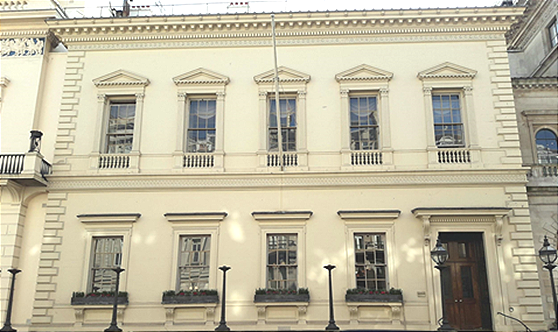
My father used to be a member and I remember meeting him there on his business trips to the UK from abroad. He would book a bedroom in the top of the building and we would meet in one of the member spaces, before going on somewhere else in London or further afield.
Later in life I used to work directly behind the Travellers Club on Carlton House Terrace and at times could even look directly onto its rear facade from my office window (see below image).
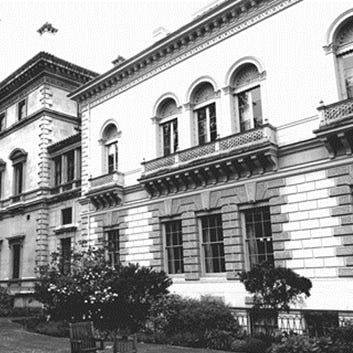
The design for the building was conceived by a youngish Charles Barry senior with the help of his close friend John Lewis Wolfe, in response to a competition launched in 1829 by the members of the club, who were celebrating the 10th anniversary of their set up.
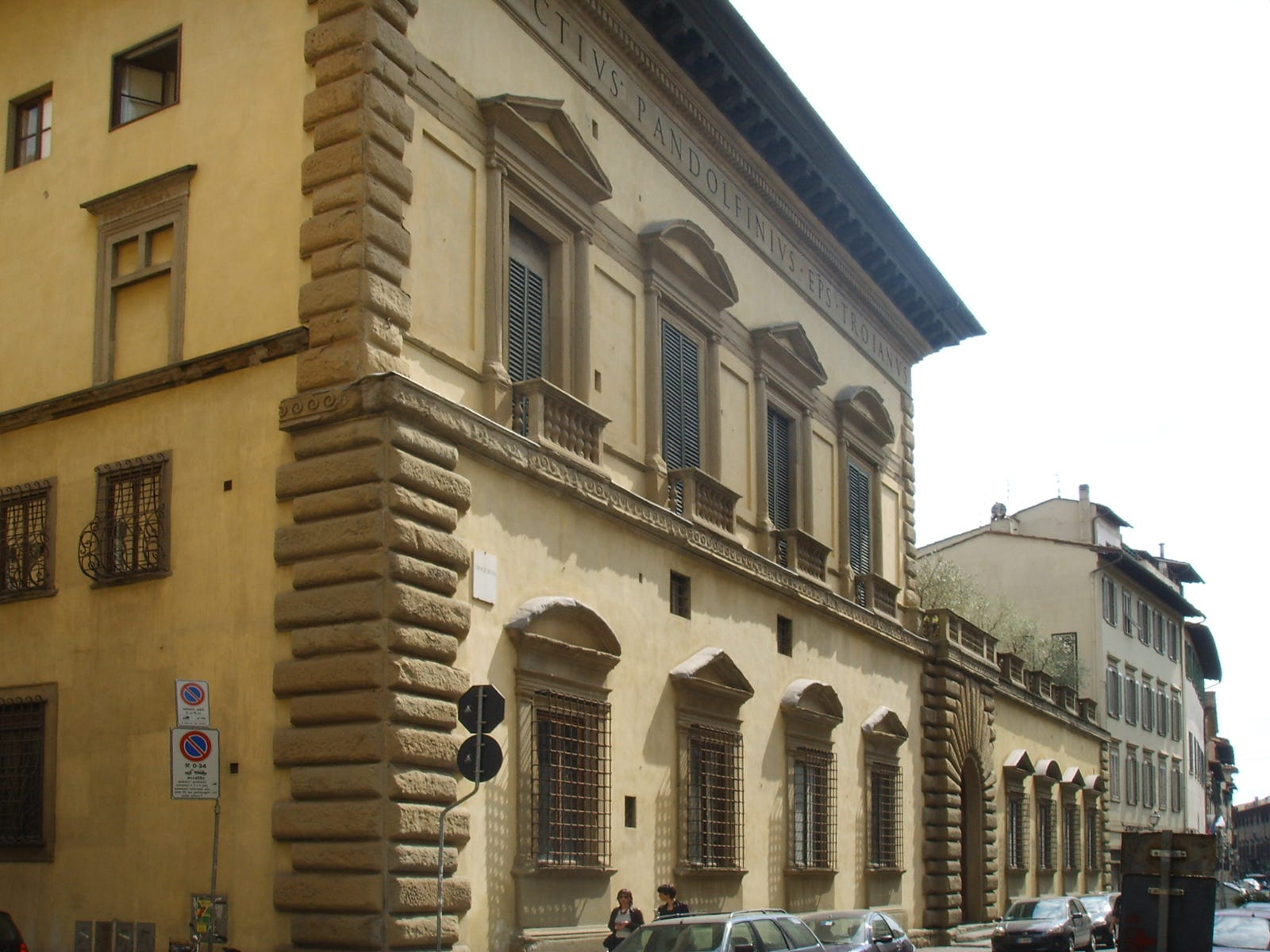
Barry appears to have been inspired by the 16th century Palazzo Pandolfini in Florence (see below image), as well as certain Sicilian villas, which he and Wolfe had visited on their European travels as aspiring young architects many years before.
Wolfe later claimed that it was he who persuaded his friend to tone down the design of the Travellers Club, at least for the front facade, which became known for its ‘New Italianate’ simplified style, creating an architectural niche for Barry and future demand for his work.
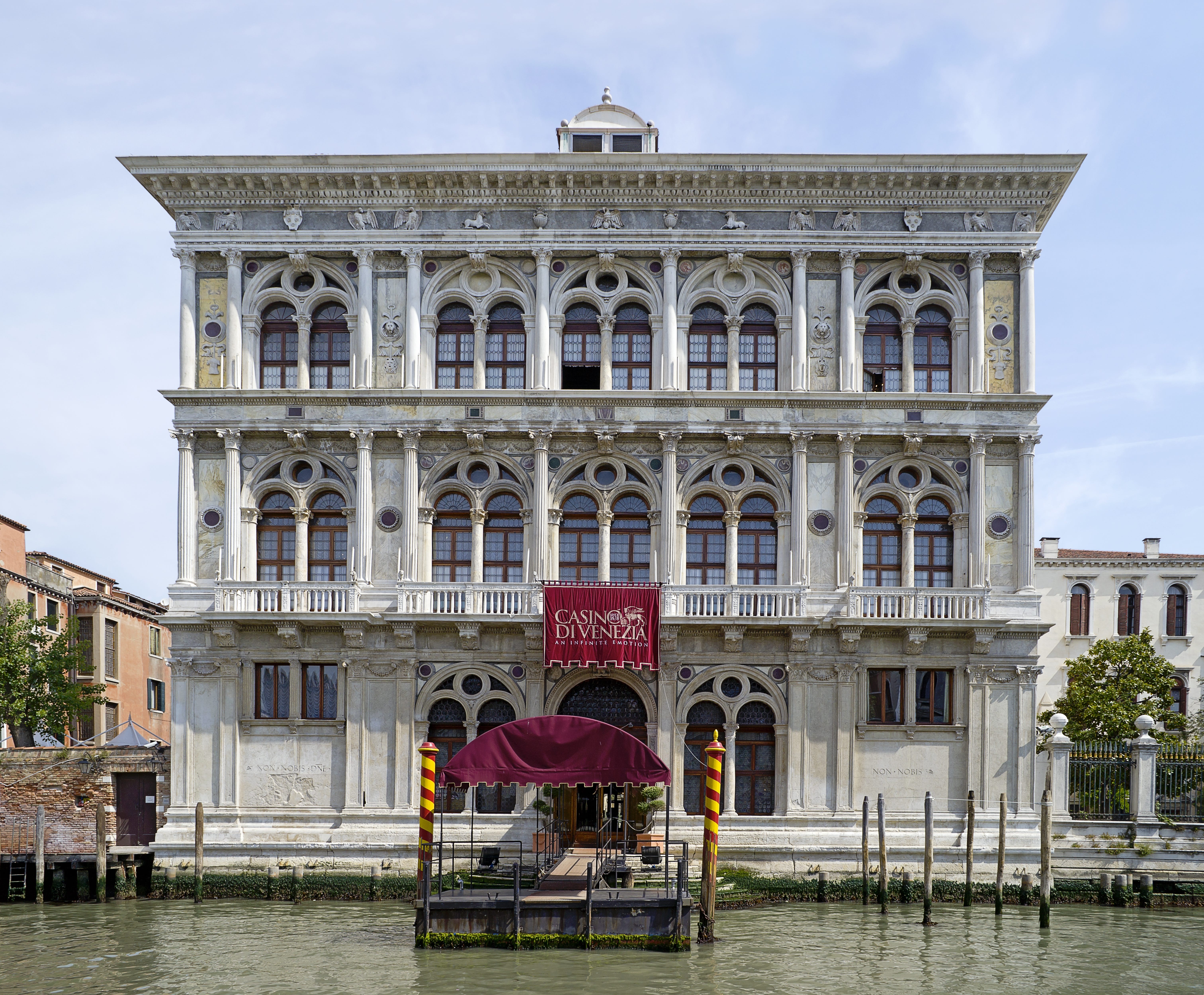
The rear facade might have been more in keeping with Barry’s more fanciful intentions, with allusions to the Palazzo Vendramin in Venice (see below image).
The site for the new building on Pall Mall was once part of George IV's splendid Carlton House, which had been demolished to make way for an extension from Regent Street to St James's Park by Sir John Nash.
The Travellers Club was opened in July 1832 and the architect was honoured with a special dinner and lifetime membership of the club. Critical reception was uniformly good, which no doubt brought Barry to the close attention of potential new clients who were either Club Members or in the same circles as them: Lord Lansdowne, George Leveson-Gower and his brother Lord Francis Egerton.
Through Landsdowne, Barry was introduced to the ‘Holland House Set’ and became a regular attendee at dinners held for Whig grandees including the Duke and Duchess of Sutherland, significant future clients.